On-Site Interpreting Services
We provide on-site interpreting services for law firms, hospitals, insurers, and companies that need an interpreter physically present. Our interpreters work at depositions, hearings, medical appointments, conferences, and business meetings, in spoken languages and American Sign Language (ASL).
You get an interpreter who knows the subject, holds the required credential, and arrives with your case or meeting notes already read.

- ISO/IEC 27001:2022 Certified
- SOC 2 Type II Attested
- AES-256 at Rest
- TLS 1.3 in Transit
- ATA Corporate Member
Where On-Site Interpreting Goes Wrong
Problems in the room start well before the session does, and many begin with a booking that left something out. These five come up again and again in buyer reviews and agency booking terms, and each one has a fix on our side.
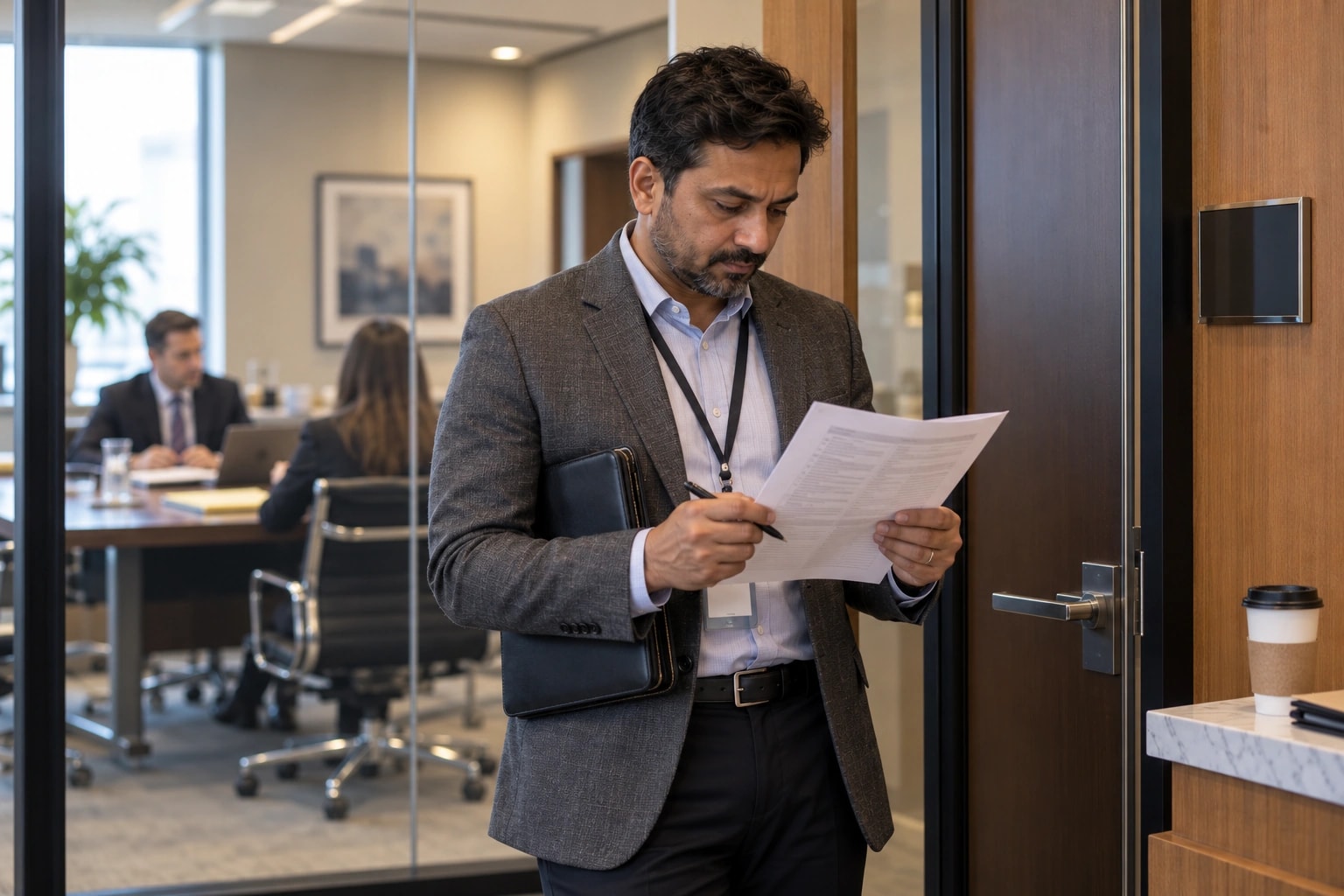
The interpreter walks in cold.
Nobody sent the case names, drug names, or product terms. So the interpreter meets them for the first time in front of your client. Every booking with us carries a notes field, and the interpreter gets those notes before the session.
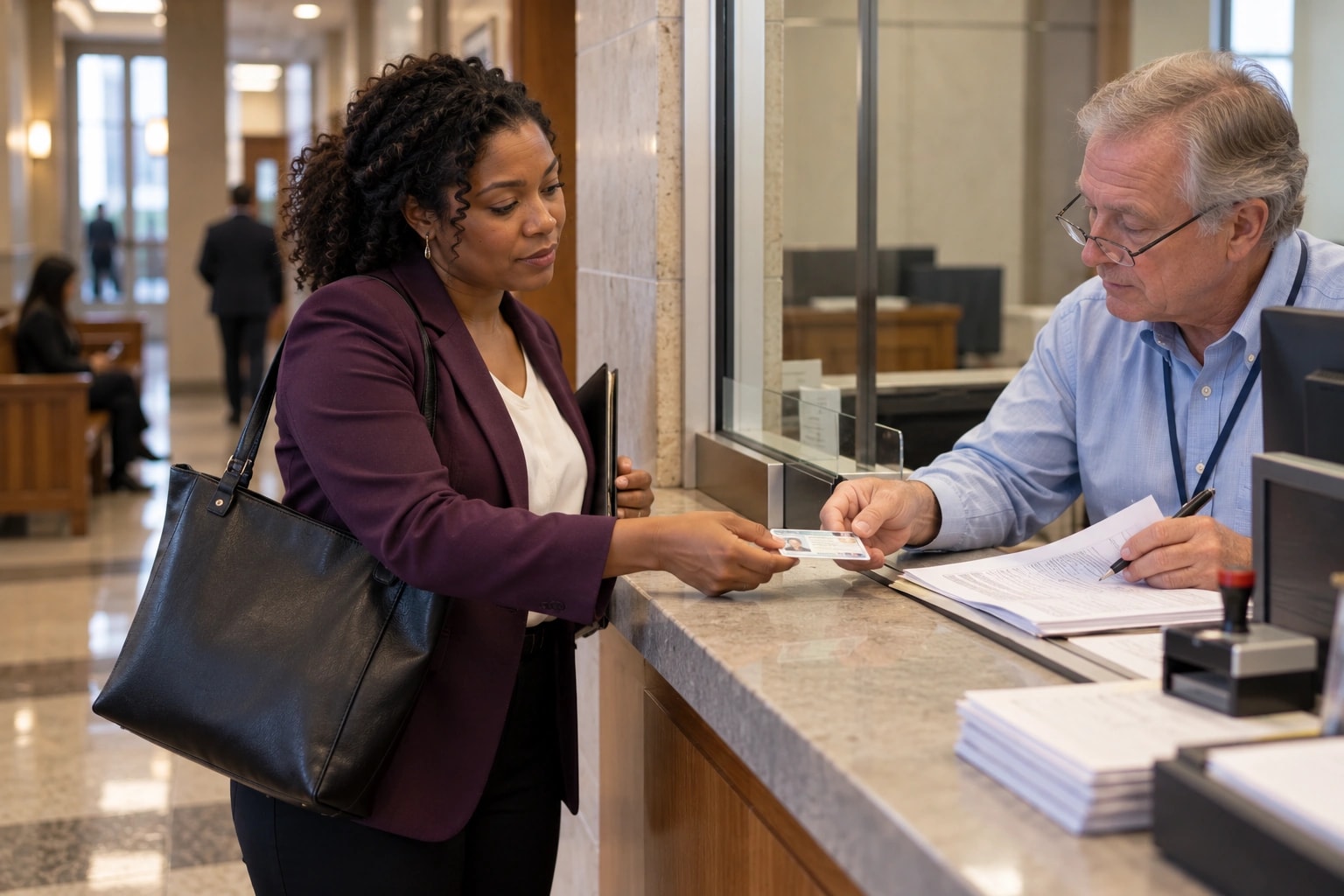
The credential doesn't fit the room.
Courts, hospitals, and insurers each set their own bar for who may interpret. Our team settles that requirement before anyone is matched.

The listed language is the wrong one.
Your patient is listed as speaking Chinese but turns out to speak Cantonese, and the Mandarin interpreter can't follow her. We match the exact language pair and dialect in your request.

The session outruns the booking.
Depositions run long. Family meetings at the hospital start late. Our request form takes end times in 15-minute steps and extra dates, so the booking matches the real day.
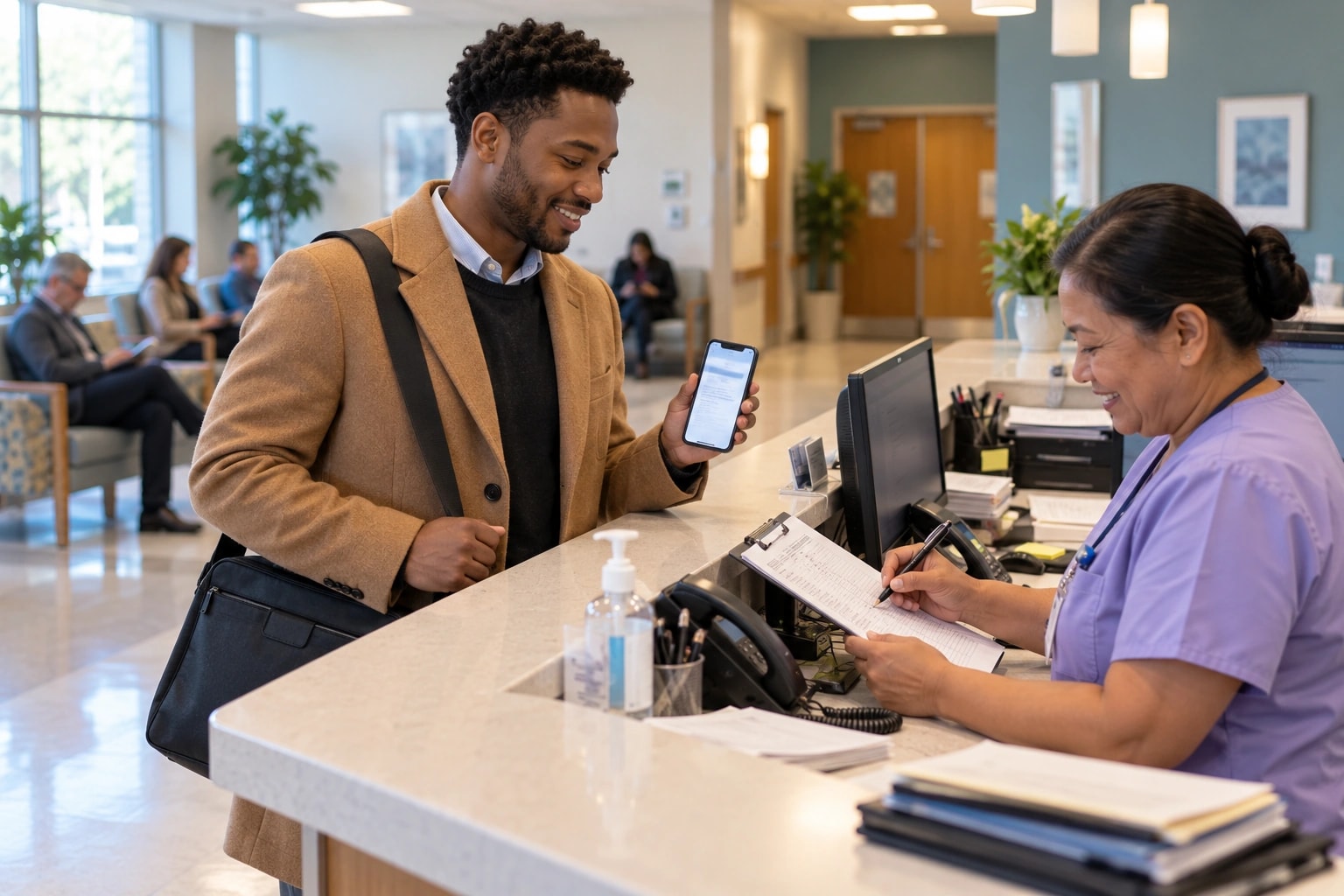
Nobody confirmed anything.
Sending a request on Monday doesn't put an interpreter in the room on Thursday. Our booking process closes with a written confirmation, so the interpreter's arrival is never an assumption.
How We Match Each Session to On-Site, Video, or Phone Interpreting
We arrange on-site, video, and phone interpreters from one team. For each session, we recommend the format that suits it and book the interpreter.
| Session | Best fit | Why |
|---|---|---|
| Trials, evidentiary hearings, and long depositions | An on-site interpreter who meets the court’s credential rule | Every speaker and every exhibit interpreted in the room |
| Diagnoses, consent talks, and family meetings at the bedside | An on-site medical interpreter | An interpreter who reads the patient’s face and keeps track of each relative |
| Conferences, board meetings, and training days | On-site interpreters plus reusable interpreting equipment | An audience that follows the presenter through receivers |
| Telehealth visits and remote court appearances | Video remote interpreting through the Day Interpreting app or a browser | A live interpreter on screen, with no special hardware |
| Scheduling calls, status updates, and follow-ups | On-demand phone interpreters through a Day Interpreting account | Interpreters from the same linguist network, with no booking needed |
Interpreting Modes Our On-Site Interpreters Cover
Our team matches the mode to the session, and some sessions need two. Here’s what our interpreters provide in each one.
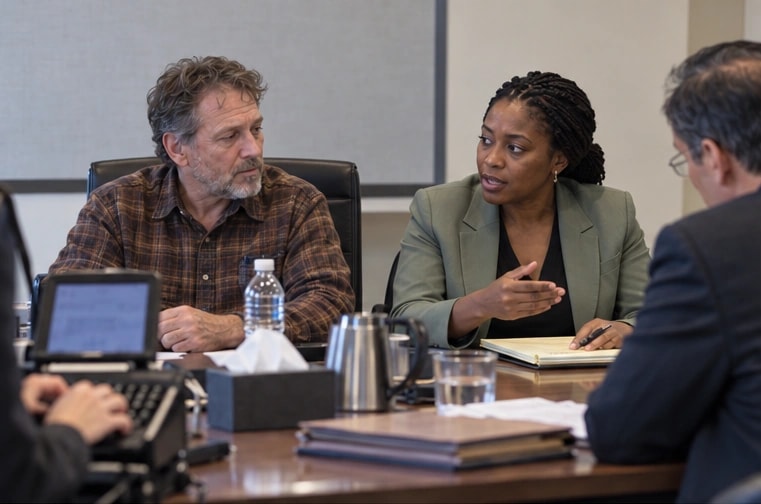
Consecutive Interpreting for Depositions and Appointments
We assign consecutive interpreters to depositions, medical appointments, and negotiations, where every word goes on the record in turn. When a witness gives a long answer, our interpreter breaks it into shorter segments, so nothing drops out of the record.
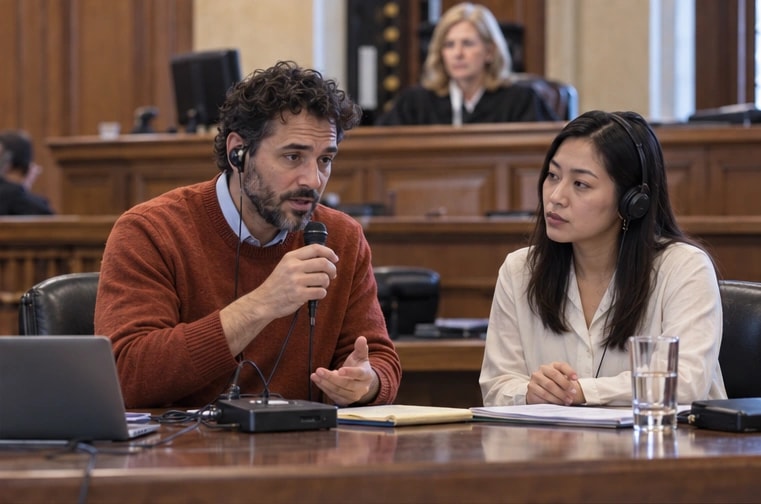
Simultaneous Interpreting for Conferences and Proceedings
For conferences and courtroom proceedings, our simultaneous interpreters work a second or two behind the speaker. In large rooms, we also supply reusable interpreting equipment, including receivers for the audience.

Sight Translation for Documents in the Room
Sometimes a consent form, a settlement term sheet, or a police report lands on the table mid-session. Our interpreter reads it aloud in the listener’s language, on the spot.
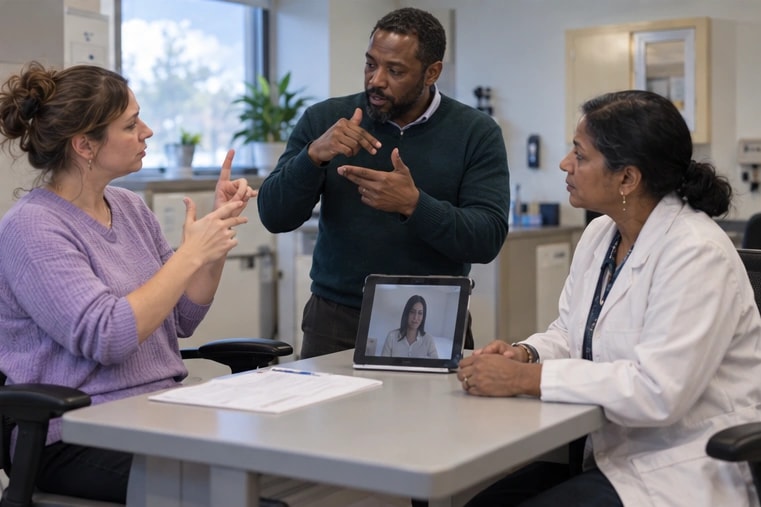
ASL Interpreting in Person and by Video
We provide ASL interpreters in person. Our video sessions through Day Interpreting connect to interpreters certified by the Registry of Interpreters for the Deaf (RID).
Settings We Cover
Each setting comes with its own vocabulary and its own rules for who may interpret. Here's what each one calls for.
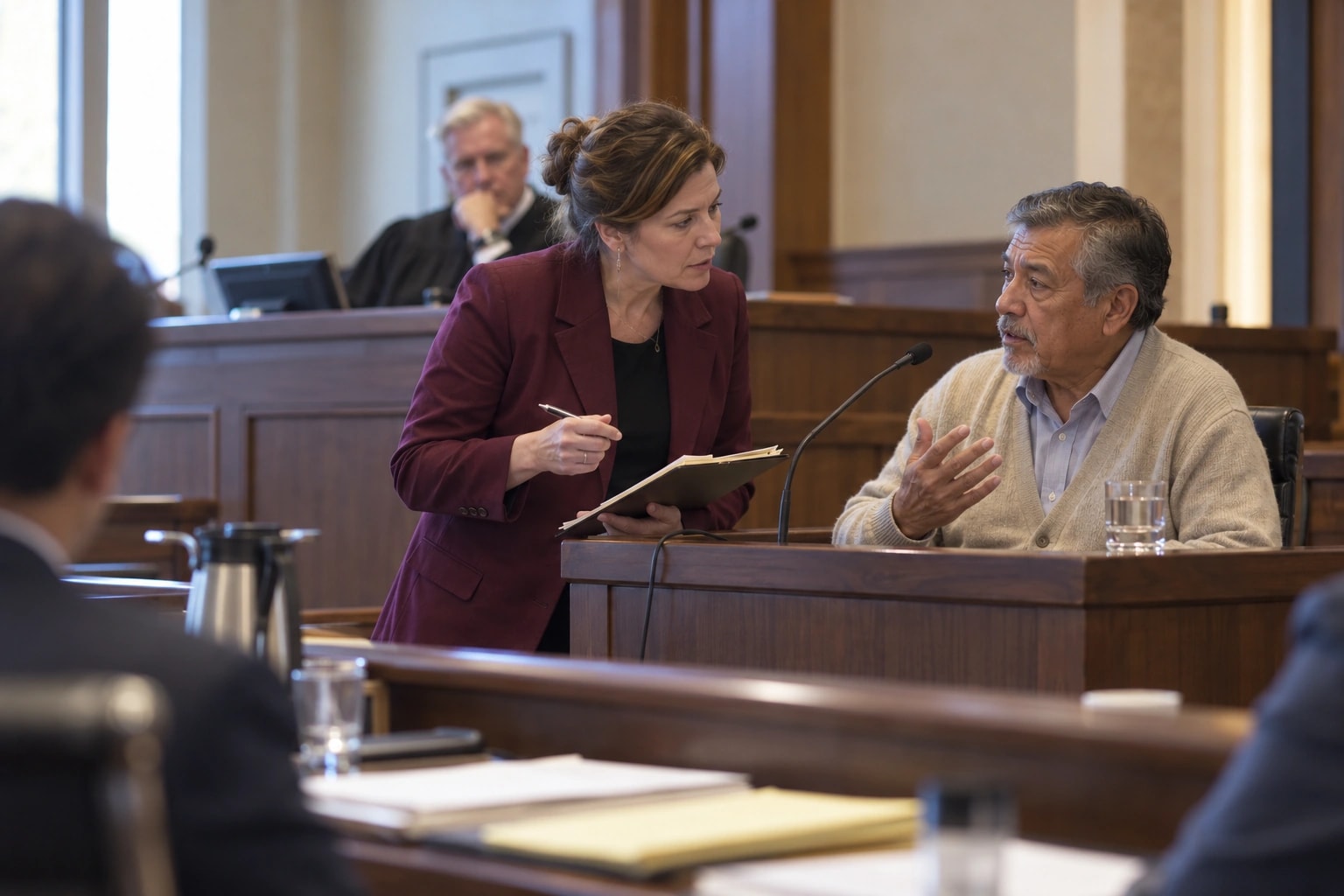
Depositions, Hearings, and Legal Meetings
Law firms, corporate legal departments, and insurers book our interpreters for depositions, mediations, arbitrations, and client meetings. Our court interpreting team handles hearings and trials, where the court's credential rule decides who may interpret.
Insurance work has its own team as well. Examinations under oath go to our EUO interpreting specialists.
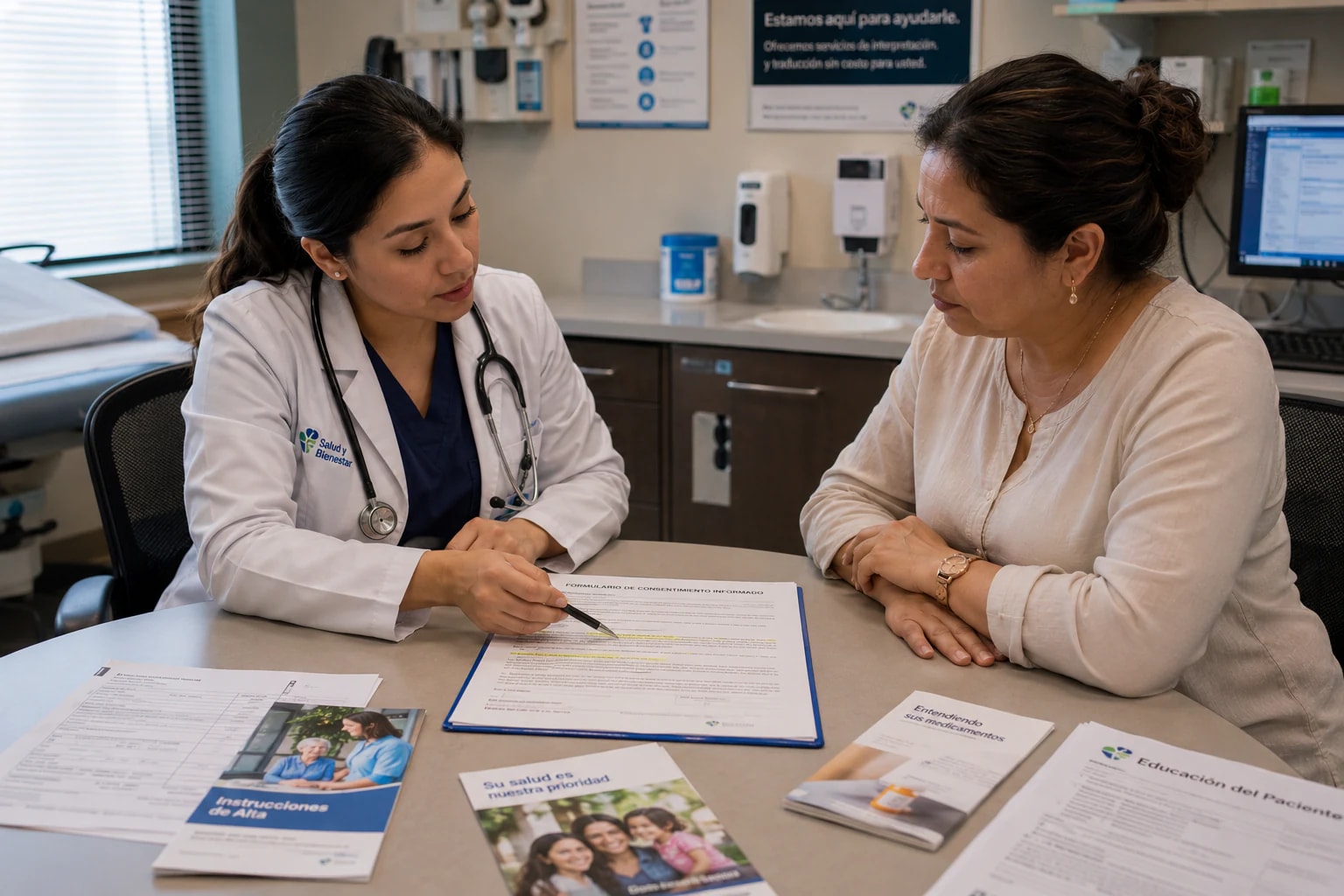
Hospitals, Clinics, and Medical Exams
Healthcare providers face a federal rule here. Under 45 CFR 92.201, a covered entity must "offer a qualified interpreter" when interpretation is required for a patient with limited English proficiency. The same section bars reliance on an adult who isn't a qualified interpreter, outside narrow exceptions.
Our medical interpreters work at diagnoses, treatment discussions, consent conversations, and independent medical examinations. They keep up with current clinical terminology in both languages. Hospitals that also need written discharge papers and consent forms use our healthcare translation services.
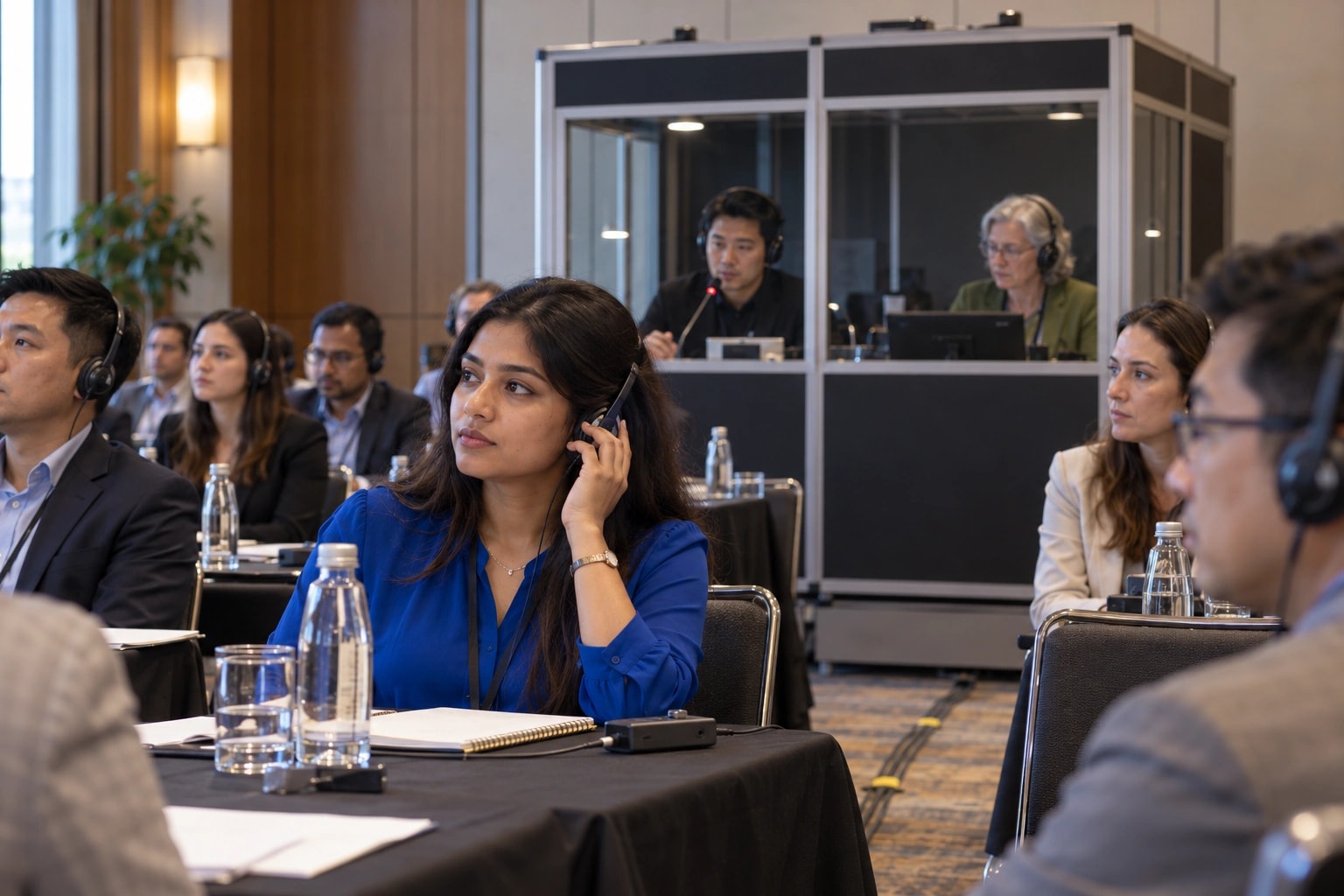
Conferences, Board Meetings, and Training
Multilingual events need interpreters for every language in the room, sound that reaches every seat, and a plan for breakout sessions. Our conference interpreting team plans the interpreters and the equipment together.
Smaller corporate meetings run on consecutive interpreting instead, with the interpreter seated beside the speaker.
Industries That Book Our On-Site Interpreters
Beyond legal and medical work, these teams bring us in when a conversation sets the outcome of a deal, an audit, or a hearing:

Life sciences and pharmaceuticals: Regulatory inspections, clinical investigator meetings, and supplier audits at production sites
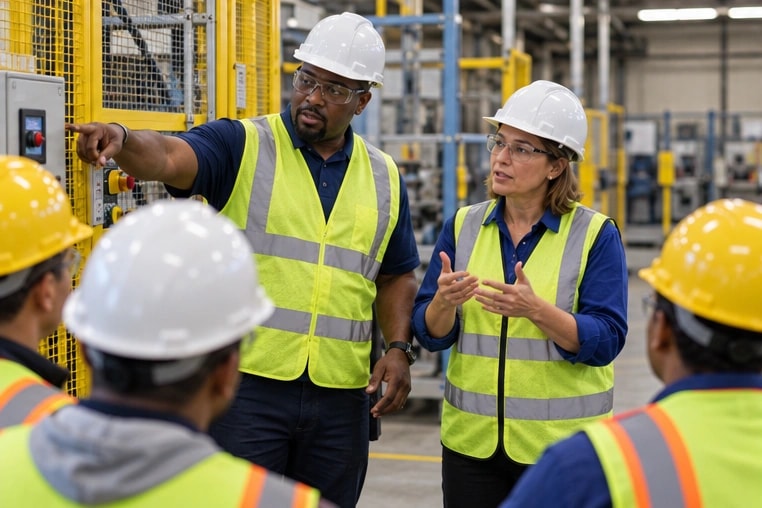
Manufacturing: Safety training on the plant floor, equipment commissioning, and supplier negotiations

Finance: Due diligence meetings and board sessions with foreign shareholders
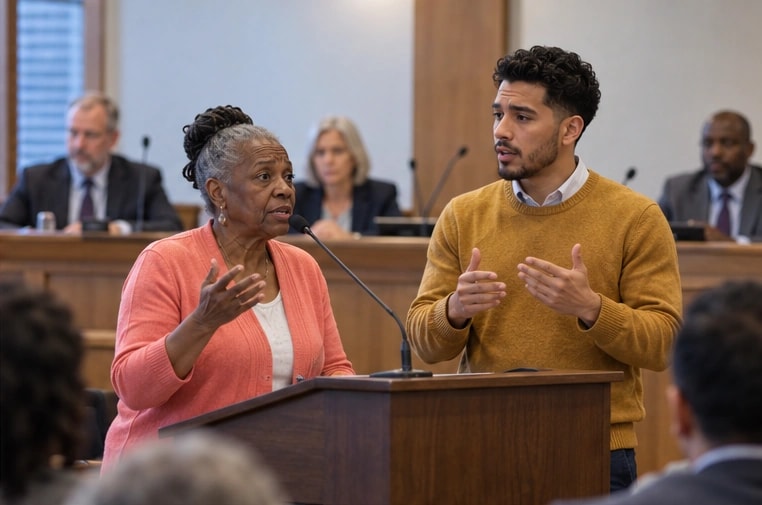
Public sector: Public hearings, community meetings, and benefits interviews

Corporate and HR: Workplace investigation interviews, disciplinary hearings, and new-hire orientation

Education: Parent-teacher conferences, special education meetings, and student disciplinary hearings
Whether the session is a deposition, a plant audit, or a board meeting, our team will recommend the right interpreter and mode for it.
How We Choose Your Interpreter
Matching decides most of what happens in the room. Our team weighs four things before anyone gets the booking.
Native speakers:
Every interpreter is a native speaker of the language you need.
Subject experience:
Our project managers pair you with an interpreter who has worked in your field, whether that's a pharmaceutical audit or a construction defect deposition.
The right credentials:
For court work, the interpreter holds the certification the court requires. For healthcare, the interpreter meets the qualified-interpreter standard your facility follows.
The right mode:
Consecutive, simultaneous, and sight translation each take different skills, so the mode shapes the match as much as the language does.
Day Translations is a member of the American Translators Association (ATA) and the National Association of Judiciary Interpreters and Translators (NAJIT).
How We Arrange On-Site Interpreting
Booking has two parts. We need a few details about the session, and then our team takes over in four steps.
What We Need from You
- The language pair, plus the speaker's first language or dialect if it differs
- The setting, the street address, and an on-site contact
- The date, start time, end time, and time zone, with any extra dates
- The credential the setting requires, such as a court-certified interpreter
- Names, terms, and documents the interpreter should see beforehand
What We Do Next
We confirm the credential. Our team checks the setting's rule and settles which certification the interpreter needs.
We match the interpreter. The choice follows the language pair, the subject, the mode, the urgency, and the credential.
We brief the interpreter. Your notes, names, and documents go to the interpreter before the session.
We confirm the booking. You get a written confirmation with the date, time, address, language pair, and mode.
For teams that book interpreters every week, we'll set up repeat bookings around your calendar.
How We Protect Confidential Sessions
On-site sessions carry privileged strategy, medical histories, and deal terms. The interpreter keeps what's said in the room, and our systems protect the notes and documents you send ahead of time. Those protections rest on the controls in our Trust Center:
NDA-bound workforce
AES-256 encryption
at rest and TLS 1.3 in transit
Zero-trust architecture
with multi-factor authentication enforced
Role-based permissions
and least-privilege access
EU data stored in the EU
Business Associate Agreement
for HIPAA-covered entities
On-Site Interpreting Services FAQs
As soon as the date is fixed. Rare languages, certified credentials, and multi-day trials all narrow the pool of available interpreters, so an early date gives our team the widest choice.
Yes. On-site and in-person interpreting services are two names for the same thing: an interpreter physically present with the speakers. Phone and video are the remote alternatives.
Yes. Our team assigns the same interpreter across every date they’re available. Continuity matters most in long trials and in ongoing care, where the patient already knows the interpreter’s voice.
Yes. Our interpreters train in both modes. So a hearing that moves from witness testimony to the judge's ruling keeps the same interpreter, and the listener keeps the same voice.
Our team finds out for you. The request form lets you answer Unsure, and we check the rule of the exact court named in your booking before matching anyone. Federal and state courts set different rules, so the court name matters.
Only if that employee is qualified. The Section 1557 rule bars healthcare providers from relying on staff other than qualified interpreters, qualified translators, or qualified bilingual or multilingual staff. Speaking the language isn’t enough on its own. The employee must have shown the provider they’re proficient in both languages, including the medical terms the conversation needs.
Yes. USCIS interviews go to our immigration interpreting team, and our on-site interpreters cover the depositions, client meetings, and medical exams around the case.
Yes. When a setting calls for one, we coordinate a Certified Deaf Interpreter alongside the ASL interpreter. These interpreters are deaf or hard of hearing, hold RID certification, and use gesture, mime, props, drawings, and other tools.
Yes. The interpreter renders what each side says, in full, without adding advice or opinion. Questions about strategy stay with your team, so the other side hears your words and nothing more.
Yes. Contracts, exhibits, medical records, and slides go to our translation teams as written work. The interpreter handles the live conversation, and our translators handle the paper.
Interpreters Who Know the Room Before They Walk In
On-Site Interpreting for Your Next Deposition, Appointment, or Meeting
Law firms, hospitals, insurers, and corporate teams come to us when someone needs to be in the room. We arrange a single deposition and a multi-week trial the same way: one team books every interpreter and covers every date. When part of the case moves to video or phone, the same team arranges that too.
From a single deposition to a full trial calendar, our team staffs every date with a matched interpreter.
- ISO/IEC 27001:2022 Certified
- SOC 2 Type II Attested
- AES-256 at Rest
- TLS 1.3 in Transit
- ATA Corporate Member